HGVs risk being forced off UK roads under new net zero plans impacting thousands of drivers
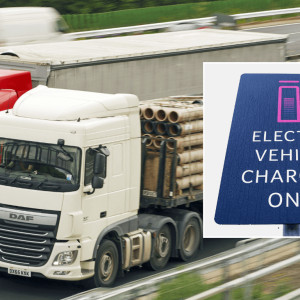
The UK's haulage industry could be at risk of Labour's ambitious plans to end the sale of new diesel and petrol lorries before the country is ready. Under the current Zero Emission Vehicle mandate, the sale of new non-zero emission lorries weighing up to 26 tonnes would be banned from 2035, with heavier HGVs following by 2040.
While operators will still be allowed to run existing diesel trucks and buy second-hand vehicles, no new conventionally fuelled lorries will be sold at all. The plans form part of the wider push to ban new petrol and diesel vehicles, prompting growing concern across the freight sector.
TRENDING Stories Videos
Your Say Online searches linked to the fuel ban have jumped by 382 per cent in the past three months with fleet managers trying to understand what the changes will mean for their businesses. The road freight industry employs more than 290,000 people across 50,000 companies and contributes around GBP18billion a year to the UK economy.
Many operators warned that the switch to electric lorries would be far more complex than the transition already underway for cars. Electric HGVs require vastly more power than passenger vehicles, around 50 times as much, creating serious problems with charging infrastructure.

Research found that electric HGVs accounted for just one per cent of all HGV sales
| PA/GETTYGrid capacity is already stretched in many parts of the country, with experts warning that it is nowhere near ready to support large-scale freight electrification. Kerry Fawcett from Radius, a fuel and fleet management provider, told Fleet Point the situation is now "reaching a critical point" with limitations stemming from "insufficient grid capacity".
Public charging for lorries remains limited and is not yet capable of supporting the long daily distances covered by many HGVs, particularly in long-haul operations. Research suggested that depot charging would only work for between 65 and 75 per cent of rigid lorries that return to base regularly, but that still leaves a significant number of vehicles with a lack of practical charging options.
LATEST DEVELOPMENTS

Reports warned that electric HGVs require more power than passenger vehicles
|GETTY The Department for Transport has launched a public consultation on how it plans to push the transition through regulation through tighter CO2 emissions standards, a zero emission vehicle mandate and possible requirements for large fleet operators to adopt EVs.
Lorries currently produce around 16 per cent of domestic transport greenhouse gas emissions, despite making up just one per cent of vehicles on the road. The Government has admitted that decarbonising HGVs is far harder than cars or vans, given the longer journeys and far higher energy demands. Ms Fawcett said businesses should focus on timing rather than whether the change will happen at all, adding: "The question for operators isn't if the transition will come, but when it makes commercial sense.

Under the current plans, HGVs will need to be all electric by 2035
|GETTY
"Switching to electric vehicles early can bring benefits at scale, such as lower emissions and avoiding congestion or Clean Air Zone charges. "Standing still carries more risk than starting to plan. There will never be a one-size-fits-all solution.
Fleet transition timelines depend on duty cycles, infrastructure access and financial viability."
Zero emission HGVs accounted for just one per cent of new registrations in the UK in 2025, compared to an average of two per cent across the UK and 4.5 per cent in Germany.
The Government's own consultation admits that without intervention, the market alone is unlikely to deliver the changes needed to meet legally binding carbon targets.