eSIMs: Simplifying Cross-Border Communication for Logistics Teams
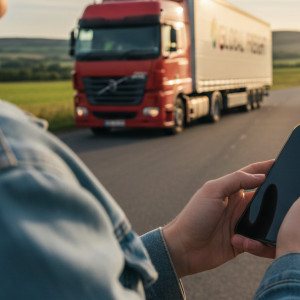

Logistics work never really stops. Phones ring, shipments move, drivers check in, clients want updates, and someone always needs real-time information. It can feel smooth when everyone is in the same country, but the moment trucks cross borders, communication costs rise, and connection quality begins to wobble.
Many teams have started looking for a smarter way to keep the entire chain linked together without the usual roaming chaos. eSIMs have recently taken centre stage, and there are several reasons for that.
Lower Roaming Costs for Cross-Border Teams
Traditional roaming can turn a simple border crossing into an unexpected bill. One quick delivery in a neighbouring country can create charges that feel entirely out of proportion to the distance travelled. eSIMs provide peace of mind that you won't be hit with a high bill when the trip is done and dusted. According to a study by Juniper Research, mobile users in 2024 spent around £8.57 per GB of data, whereas eSIM users will typically spend around £5.50 per GB.
This means eSIM users save on average 35%. It's as simple as teams choosing the plan that matches their routes and avoiding the financial spikes that normally follow international work. The savings become obvious once you multiply them across an entire fleet.
Smoother Connectivity on the Move
Drivers know the pain of watching a signal drop to nothing right when they need directions or when dispatch is trying to reach them.
A physical SIM does not always adjust fast enough when networks shift. An eSIM responds more smoothly, which keeps calls, tracking, and updates flowing even in awkward dead spots. That reliability means fewer delays and far less improvisation on the road.
Real-Time Coordination Between Drivers and Warehouses
Clear communication keeps warehouses running efficiently.
When the connection stays strong, delivery windows tighten, loading teams prepare earlier, and staff avoid those endless chains of follow-up calls. The entire operation feels calmer because information arrives precisely when it should. Logistics becomes easier to manage when every part of the chain can speak to each other without interruption.
Better Client Communication Without Extra Effort
Clients appreciate timely updates more than anything.
They want to know that their goods are on track and that any issues will be flagged early. eSIMs help teams keep that promise. A stable connection supports quick responses, live tracking, and accurate reporting. Trust grows when communication stays consistent, and that trust often leads to repeat business.
Data Heavy Tools Work the Way They Were Designed To
Modern logistics depends on tools that need constant connectivity.
Temperature monitoring for sensitive goods. Automated timestamps. Digital proof of delivery.
Live route tracking. All of this only works when the connection does not falter. eSIMs provide the support these systems need, ensuring data arrives instantly and records remain clean and reliable.
Support for Global Journeys
International fleets have felt the most significant improvement. Network transitions used to create stressful gaps in communication, even though coverage was excellent. eSIMs smooth that entire process so drivers stay connected from the moment they arrive, because digital activation simplifies everything and keeps devices ready for long-range operations.
Find a plan for your destination - if you're delivering a shipment to New York, check eSIM plans for the USA. Make sure you activate the eSIM before the trip, and you'll be connected the moment you cross the border.
Stronger Security for Sensitive Information
Physical SIMs can be removed, which creates risk for teams handling confidential data. eSIM profiles can be locked or wiped remotely, which gives managers more control over every device in the field. That added protection matters when phones hold client details, routing information, and digital delivery records.
Scaling Becomes Easier for Growing Fleets
A digital system removes the onboarding slowdowns that fleets often dread.
New devices join quickly. Seasonal capacity adjusts without drama. Routing changes require far less admin than before.
Technology finally keeps pace with the business instead of slowing it down.
The Direction Logistics Is Already Moving Forward
Everything in logistics relies on strong communication and eSIMs support that foundation with far fewer weak points. Drivers stay reachable. Clients stay informed.
Warehouses stay prepared. Costs stop rising every time a truck crosses a border. When a tool fits the rhythm of an industry, adoption naturally becomes the easy next step.
Last Word
The eSIM is not a new idea.
The GSMA (the global organization for the mobile industry) began developing it in the 2010s.
In 2016, the first official GSMA embedded SIM spec was released, and then it became a formal piece of tech.
That said, it's going places and is expected to become part of everyday life, not just for logistics teams but for all business teams and everyday people alike.