Australia Low Voltage Electric Motor Market Set to Surge to USD 447 Million by 2033
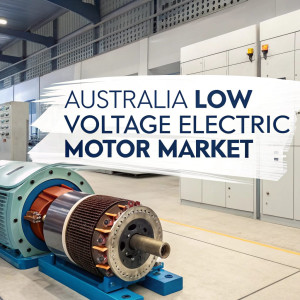

The market for low voltage electric motors in Australia is gaining robust momentum. According to data from IMARC, the market reached a size of USD 306.0 million in 2024, and is projected to climb to USD 447.0 million by 2033 -- a solid compound annual growth rate (CAGR) of 4.30% over 2025-2033.
This growth reflects broader trends in Australia's built environment, industrial activity, and energy transition. As demand for reliable, energy-efficient electric motors increases across applications and industries, companies and investors alike are paying closer attention to this segment.
Why the Market Is Growing So Rapidly
One of the core drivers is the surge in infrastructure and construction activity across Australia.
As new buildings, commercial developments, industrial zones, water systems, and public-transport infrastructure go up, the demand for electric motors -- particularly low voltage variants -- rises sharply. These motors are widely used in HVAC systems, pumps and fans, compressors, conveyors, elevators and other equipment that power modern constructions.
Engineers and developers are under increasing pressure to meet energy-efficiency and sustainability standards. Low voltage electric motors offer advantages: high efficiency, lower energy losses, reliability, and easier integration into automation and smart-building systems.
With the trend toward smart and eco-friendly infrastructure, these motors are seeing higher adoption.
The shift toward electrification of transport -- especially the rising adoption of electric vehicles (EVs) -- is also fueling demand. As more EVs hit the roads, associated manufacturing, auxiliary systems, and charging infrastructure create a ripple effect. Low voltage motors are used in various EV subsystems: for propulsion components, cooling fans, pumps, windows, HVAC systems and more.
As local EV production and assembly ramps up, so does the demand for these motors.
Moreover, the broader push towards industrial electrification, automation, and modernization in sectors like mining, utilities, water treatment and commercial HVAC is strengthening demand. As industries upgrade older infrastructure or build new facilities, there is a preference for high-efficiency, low-voltage motors that deliver reliability, longevity and energy savings.
Regional development initiatives across different states and territories in Australia -- including expansion projects in water systems, public transportation, utilities and industrial zones -- are also contributing to a geographically diversified growth. The market coverage includes all major regions: New South Wales & ACT, Victoria & Tasmania, Queensland, Northern Territory & Southern Australia, and Western Australia.
Request a Sample Report with Latest 2026 Data & Forecasts:[1]
What the Opportunities Are
o Smart Building & Green Infrastructure Upgrades: As Australia pushes for greener, smarter buildings and energy-efficient infrastructure, there is an opportunity for suppliers of premium-efficiency and super-premium-efficiency low voltage motors to capture increasing share.
o EV Ecosystem Expansion: With the electric vehicle market gaining traction, companies supplying low voltage motors can tap into the growing demand for propulsion systems, auxiliary systems, and EV-charging related infrastructure.
o Retrofit and Modernization of Legacy Facilities: Many older commercial, industrial and utility facilities require modernization to meet energy-efficiency and regulatory standards.
This creates a ready market for efficient low voltage motors as replacements.
o Industrial & Mining Sector Growth: Growth in sectors like mining, utilities, water treatment, and heavy-duty industrial applications -- all requiring reliable, efficient electric motors -- presents a strong demand base for motor manufacturers and suppliers.
o Regional Infrastructure Projects: As infrastructure development spreads beyond major cities to regional Australia, there is a distributed demand across states -- offering opportunities for local suppliers, logistics providers, and SMEs to serve underserved regions.
o High-Efficiency Motor Segment Premiumization: Demand for "Premium Efficiency" and "Super Premium Efficiency" motors is likely to grow faster as energy costs rise and regulatory/consumer preferences tilt toward sustainability -- creating room for value-added products and services.
o Integration with Automation & Smart Systems: The trend toward building automation (smart HVAC, smart water systems, IoT-enabled facilities) paves the way for motors with integrated sensors, remote monitoring and better control -- a niche for innovators and technology-driven suppliers.
o July 2025: The government of Australia rolled out new energy-efficiency regulations for commercial buildings, mandating the use of high-efficiency electrical equipment -- including low voltage motors -- in all new constructions and major renovations. This move is expected to significantly increase demand for premium-efficiency motors in the commercial HVAC and utilities sectors.
o March 2025: A major motor-manufacturing firm expanded its local production footprint, launching a new facility in Western Australia focused on high-efficiency low voltage motors for industrial and EV-related applications. The expansion backed by a USD 25 million investment, aims to supply both local and export markets.
o May 2025: Industry reports indicated that EV adoption in Australia surged: EVs accounted for approximately 12 % of new vehicle sales in Q1 2025 -- up from roughly 10 % in 2024.
The growing EV fleet and related infrastructure installations have led to an uptick in orders for low voltage motors used in auxiliary systems and charging-station support equipment.
Why Should You Know About Australia Low Voltage Electric Motor Market?
The Australia low voltage electric motor market matters not only for motor manufacturers, but also for investors, infrastructure developers, EV-industry stakeholders and policymakers. For investors and manufacturers, steady growth means a stable -- and growing -- revenue base. For infrastructure developers and corporations, efficient motors represent energy savings, compliance with regulations, and improved reliability.
For policymakers, encouraging high-efficiency motors aligns with sustainability objectives and energy-efficiency commitments.
As Australia continues investing in infrastructure, industrial development, electrification and cleaner transport, low voltage electric motors will remain a foundational component -- making this market a key barometer for broader industrial and energy transitions.
References
- ^ Request a Sample Report with Latest 2026 Data & Forecasts: (www.imarcgroup.com)