Group of drivers given DVLA speed limit alert as it’s ‘lower than car’
With many Brits opting for road trips and staycations, campervans and motorhomes are the choice of plenty of people for summer travel. However, not all vehicles are treated the same and how your campervan is registered could affect how fast you are legally allowed to drive. If a campervan is still classified as a commercial vehicle, it may be subject to lower speed limits than a standard car.
This can catch drivers out, especially as limits vary depending on weight, road type and whether a trailer is attached. The Highway Code sets out clear rules for different vehicle types and failing to follow them could result in fines or penalty points. Understanding the difference before setting off could help drivers avoid unexpected penalties and keep journeys on track.
Speed limit rules for campervans and motorhomes
Paul Gorry, vehicle expert at luxury motorhome manufacturer Auto-Trail[1], explained: “Many drivers assume their campervan follows the same speed limits as a car, but that is not always the case, especially if the vehicle is still registered as a commercial van.
If a campervan is classed as a light goods vehicle up to 3.5 tonnes, the national speed limit is typically 50mph on single carriageways and 60mph on dual carriageways, which is 10mph lower than a car. This difference often comes down to how the vehicle is registered rather than how it is being used, which can lead to confusion for owners who have converted a van into a camper. “Vehicles still classified as vans must follow lower speed limits on certain roads, particularly single carriageways, which can catch drivers out if they assume they are treated the same as a motorhome.
This misunderstanding can lead to speeding fines, especially for those new to campervan ownership.”
?1,000 fines and points
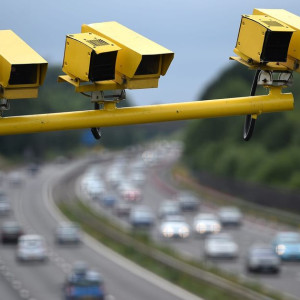
Paul added: “Exceeding the correct speed limit for your vehicle can lead to penalties including fines of up to ?1,000 and points on your licence. With modern speed cameras using number plate recognition to identify vehicle type, drivers are far more likely to be caught if they are travelling at car speeds in a vehicle classed as a van.”
How weight changes the rules
He said: “Speed limits for campervans and motorhomes are largely based on weight, with 3.05 tonnes being a key threshold that determines whether car or van limits apply. For vehicles under 3.05 tonnes, drivers can follow standard car limits, including 60mph on single carriageways and 70mph on dual carriageways and motorways.
“Once a campervan exceeds that weight, the limits drop to 50mph on single carriageways and 60mph on dual carriageways, even though motorway speeds can remain at 70mph.”
Towing and larger vehicles bring further restrictions
Paul said: “Drivers also need to be aware that towing a trailer reduces speed limits further, with motorway speeds dropping to 60mph and similar reductions across other road types. “For larger motorhomes or caravans over 3.05 tonnes or longer than 12 metres, the lower limits of 50mph on single carriageways and 60mph on dual carriageways and motorways apply more consistently. “Many people only realise these differences when they are already on the road, which can increase the risk of speeding without intending to.”
Why checking your vehicle classification matters
Paul concluded: “Before heading off on a trip, drivers should check both the weight of their campervan and how it is registered with the DVLA.
A campervan that looks like a leisure vehicle may still be legally treated as a commercial van, which changes the speed limits that apply.
Taking a few minutes to confirm this can help drivers avoid fines and keep their journey running smoothly.”
References
- ^ Auto-Trail (www.auto-trail.co.uk)