Drivers can reduce fuel consumption by 20% by removing 1 item from the car
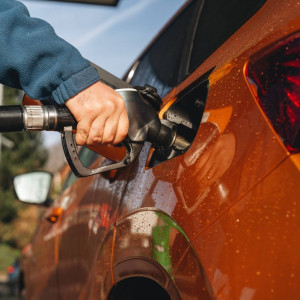
Fuel prices in the UK have seen some of the most dramatic price hikes in several years with diesel averaging 189.8p per litre – here’s how to save money
13:36, 05 May 2026
 View 3 Images
Fuel prices are continuing to rise(Image: Iryna Melnyk via Getty Images)
With fuel costs soaring, Britain has experienced some of the most severe price increases seen in years. According to figures from RAC Fuel Watch[1], diesel is currently averaging around 189.8p per litre, a rise of roughly 48p per litre since late February. At numerous premium UK forecourts and motorway service stations, diesel prices have surpassed the GBP2 per litre threshold.
Meanwhile, petrol[2] has climbed by approximately 25p, now sitting at an average of 157p per litre.
Being savvy about when and where you fill up, as well as your driving behaviour, can prove essential in keeping fuel costs down. Motoring expert and general manager at National Scrap Car[3], Saul Turner, has shared his top tips for cutting fuel expenditure, revealing some lesser-known tricks to help you get every last penny’s worth from your tank, reports the Express[4].
 View 3 Images
UK petrol prices remain at high levels compared to recent years(Image: Getty)
Remove excess weight
Remove excess and unnecessary weight from your car, for example, roof racks, sports equipment (golf[5] clubs), boot junk and accumulated rubbish. It’s a small step, but it can make a big difference.
By removing excess weight you can improve the fuel efficiency of your car as it requires less energy for the vehicle to move, the expert said. For example, a roof rack can increase fuel consumption by up to 20% due to aerodynamic drag.
Fill up early in the week
When it comes to saving money on fuel, the advice is simple: fill up early in the week. Mr Turner said prices typically rise towards the weekend, with Friday and Saturday being the most expensive days due to increased leisure travel.
For the best value, try to get to the pump on a Monday or Tuesday.
Keep your tyres in good condition
You should regularly check your tyres for underinflation or excessive wear (below 3mm), as this can increase fuel usage. The increase between a worn tyre and the road means the tyre lacks efficient grip, causing it to lose energy and require more force to keep the car moving. According to Martin Lewis[6], tyres in bad condition can add 3% or 4% to your fuel bill.
Follow the 10-degree air-con rule
Air conditioning increases fuel efficiency.
Instead of using ‘max cold’, use it carefully to bring the car’s temperature to around 10 degrees lower than the outside temperature, Mr Turner explains. This will prevent the compressor from working in overdrive, a main fuel-killer. If you are driving below 45mph, open the window slightly and avoid using the air conditioning at all.
Check your fuel cap
Check the rubber seal and protection around your fuel cap and fuel door.
If they are damaged, or the fuel cap is loose, fuel could be evaporating out of your tank without you even realising, Mr Turner warned. He said to double-check the cap to ensure you are not losing the fuel you just bought.
 View 3 Images
UK petrol prices have experienced a significant surge(Image: Getty)
Park ready for departure
You should think about the direction you’ll be leaving when parking, especially for short-trip efficiency, Mr Turner said. Take time to reverse into your parking spot or face the direction you’ll be leaving whilst the engine is already warm.
A cold engine is less efficient, and manoeuvring out of a tight spot while the engine is cold burns significantly more fuel than simply driving straight out.
Avoid starting and stopping
Look ahead to avoid sudden stops.
If you see a red traffic light in the distance, immediately take your foot off the accelerator. This allows you to use momentum rather than braking harshly, which wastes energy.
It is far more fuel efficient to be slowly approaching at 10mph when the light turns green than to be at a complete standstill.
Take advantage of cooler temperatures
Those keen to extract maximum savings might consider refuelling late at night when temperatures drop. Cooler conditions increase fuel density, theoretically delivering slightly more volume for your money.
That said, the saving per fill-up amounts to mere pennies rather than pounds.
Fill up at supermarkets
The expert also recommended refuelling at supermarkets[7], describing them as consistently the cheapest choice available.
He noted that their prices frequently sit several pence per litre below the national average.
Article continues below
According to Fuel Finder, supermarket petrol and diesel currently cost approximately 4.5p per litre less than at premium brand forecourts, meaning filling a typical 50-litre tank at a supermarket could save you roughly GBP6 each time.
References
- ^ RAC Fuel Watch (www.mirror.co.uk)
- ^ petrol (www.mirror.co.uk)
- ^ National Scrap Car (nationalscrapcar.co.uk)
- ^ the Express (www.express.co.uk)
- ^ golf (www.mirror.co.uk)
- ^ Martin Lewis (www.mirror.co.uk)
- ^ supermarkets (www.mirror.co.uk)