Hybrids Explained: How Hybrid Cars Work, Types, and Whether One Is Right for You
How Does a Hybrid Work?
A hybrid car operates similarly to gas-only vehicles but includes an electric motor that's powered by a large battery. With parallel or power-split hybrids, the most common kind, the gasoline engine and electric motor work in tandem to power the vehicle, and the battery powers the electric motor. The gas engine powers the car at higher speeds while the electric motor and battery provide power at lower speeds, usually under 15 mph.
The battery is recharged by the gas engine and regenerative braking, which captures kinetic energy that would otherwise just be lost to heat in friction braking[1] working as a generator to instead turn the energy into electricity to charge the battery.
Is a Hybrid Priced Right for You?
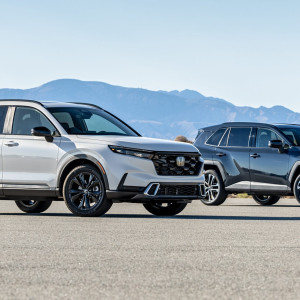
Hybrids come with a trade-off: While they're more fuel efficient, they typically cost more than gas-only vehicles. For example, the 2026 Honda CR-V starts at £32,370 while the 2026 Honda CR-V Hybrid starts at £37,080, but the CR-V hybrid is more powerful and better-equipped in addition to being more fuel-efficient. The gas-powered 2026 Hyundai Sonata SEL AWD starts at £30,745 while the 2026 Hyundai Sonata SEL AWD Hybrid starts at £32,495.
ADVERTISEMENT - CONTINUE READING BELOW
[data-ids=CardMedia]]:flex-1 [&>[data-ids=CardMedia]]:@sm:flex-[1.5] [&>[data-ids=CardContent]]:flex-[2] @md:flex-col @md:[&>[data-ids=CardMedia]]:flex-none @md:[&>[data-ids=CardContent]]:flex-none @md:gap-2">
To decide if a hybrid is worth the higher price compared to an equivalent gasoline vehicle requires calculating the annual fuel savings provided by the hybrid and the years it takes to make up for the price difference. Among others, the U.S Department of Energy provides an online resource[2] to calculate payback. It uses the MSRP of comparably equipped vehicles according to each automaker's online comparison tools and based on 15,000 miles driven annually, with a mix of 55 percent city and 45 percent highway and a fuel price of £2.94 a gallon for regular and £3.89 a gallon for premium.
One example is the 2025 Ford Maverick Lariat Hybrid AWD, which the DOE site shows as having a price difference of £1,650 over the gas-powered 2025 Ford Maverick AWD.
According to the DOE's formula, the Maverick Lariat Hybrid AWD saves owners £572 a year on fuel, and it takes 2.9 years to reach the break-even point versus buying the regular Ford Maverick AWD.
References
- ^ captures kinetic energy that would otherwise just be lost to heat in friction braking (www.motortrend.com)
- ^ U.S Department of Energy provides an online resource (www.fueleconomy.gov)