Diesel drivers in England hit by 16p per mile charges
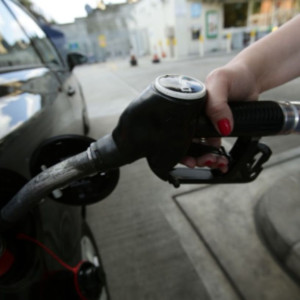
On a per mile basis, the fuel costs in the range of 13p - 18p pence per mile for a petrol car; the fuel costs around 13p - 16p pence per mile for a diesel car.
10:46, 08 Feb 2026
 View Image
Diesel drivers in England hit by 16p per mile charges
Diesel drivers face a 16p per mile charge, it has been warned[1]. On a per mile basis, the fuel costs in the range of 13p - 18p pence per mile for a petrol car; the fuel costs around 13p - 16p pence per mile for a diesel car.
This is roughly 50% to 90% more expensive than the cost to run an electric car per mile, even on a regular tariff. And this varies by engine size.
A car with a larger engine (higher CCs, larger horsepower) will burn more fuel and have worse fuel economy/a lower MPG.
That means cars with more CCs cost more in fuel per mile, NimbleFins says.[2]
It comes as drivers can now compare the cost of fuel offered by all petrol stations across the UK as part of a government scheme to help people to shop around for the best price.
From Monday, garages and fuel stations must report their prices to third-party apps and websites within 30 minutes.
Carwow advises: "Diesel cars can cost a little more to insure and service, but they usually make up for it at the pumps. They're more fuel-efficient, especially on long motorway drives, and that AdBlue top-up is a minor expense every few thousand miles.
"But whether you actually spend less per mile depends on your driving habits and local fuel prices. Diesels shine on long trips, while petrol cars often make more sense for short city journeys."
The motoring group add: "Modern diesels aren't the pollution villains they once were.
Thanks to DPFs and AdBlue, today's diesels are much cleaner and more efficient than older models.
"They're great for long motorway trips, offering strong fuel economy and lower CO2.
That's good news for your road tax or company car tax.
"But if most of your driving is short city trips, petrol cars usually have the edge for local air quality, since diesels can still release higher levels of nitrogen oxides (NOx) in stop-start conditions."
References