Workers may become ‘a liability’ as benefits improve and AI moves in
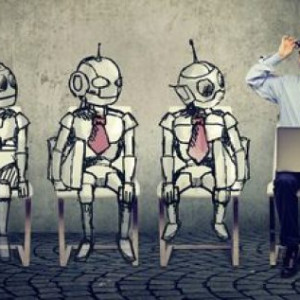

Well-meaning governmental polices could have a profound negative impact on jobs and small businesses in logistics, according to a recent report by John Manners-Bell, CEO of Transport Intelligence (Ti). "It is ironic that political decisions which are made with the intention of protecting or supporting workers often have the exact opposite effect," je says in the report. Mr Manners-Bell pointed to employee rights that had, over the past few decades, increased globally - but especially in Europe - in areas such as minimum wage, holidays and pensions, as well as compulsory employer contributions and greater levels of HR regulation.
He says these well-intended benefits have arguably had a 'net-negative impact' on the road transport, warehousing, shipping, air cargo, and rail freight sectors. This, on top of the Covid-19 pandemic, has suggested to employers that workers could be a "significant liability" rather than an asset. But he added: "Although, of course, no business manager would admit to this.
He explained: "Until recently, logistics providers had no other option than to absorb these costs or pass them on to consumers. That is no longer the case - something which administrators must be mindful of. "The development of automation, robotics, and AI have meant that a type of 'elasticity' has been introduced into the market.
Rather than 'suck up' ever rising employment costs, managers can make investment decisions which maintain or increase productivity while reducing labour forces." The report adds that although this is something of a global trend, business decisions "in favour of technological investment rather than relying on cheap labour" are particularly prevalent in high-cost markets, such as Germany, and even in China, where rising wages have prompted manufacturers to invest in technology such as 3D printing. And the increasing availability, and reducing costs, of automation and robotics has meant other markets will have the chance to catch up, the report warns.
And it's SMEs that will feel the sting as large corporations, with the "deep pockets and expertise" to invest heavily in automation will be the first movers. "That is, until the costs of automation have become so low that the tech becomes democratised, at which point (if they still exist) they will be able to compete effectively once again with the market leaders," added Mr Manners-Bell. The report says the "profound" impact on jobs and SMEs won't just be felt in manual functions, such as warehousing, and that no sector will be immune.
For example, Mr Manners-Bell said, AI increasingly being used in data heavy analytics roles in freight forwarding "will close off an entry into the industry for many school leavers".
Governments around the world will need a smarter approach to employment law and taxes as the market effectively out-manoeuvres punitive and ill-thought through labour policies," Mr Manners-Bell concluded.