Vector adds electric motor testing to CANoe
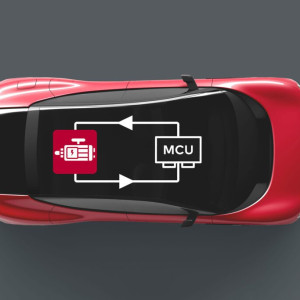
Vector has introduced the Model Option Electric Motor for its CANoe test environment, enabling developers to validate electric motor control units (MCUs) before physical components become available. The German supplier said the option, available since CANoe Release 19, includes preconfigured physical simulation models that can be loaded onto hardware with a single click and adjusted to match specific motor characteristics.
 The CANoe Model Option Electric Motor for early testing of motor control units (MCUs) (Photo: Vector Informatik GmbH)
The Model Option provides ready-to-use simulation models for permanent magnet synchronous motors, brushless DC motors, induction motors, and conventional DC motors. The models run on the FPGA of Vector's Multi-IO module VT5838, using high-frequency pulse-width modulated signals to close the control loop and deliver realistic input signals to the MCU under test.
The signal-level interface avoids high currents and voltages in the test setup. Vector said the tool enables validation of motor control under normal operating conditions or with fault injection through CANoe. For advanced requirements, open models with a Simulink library are available, including additional electrical components such as sensors and inverters for customisation.
The option is designed for developers and test engineers working on motor control units for actuators and traction motors. Vector said the test setup can be extended with its Dyna4 virtual test drive platform for complete vehicle validation. The company said the tool supports optimisation and validation of control strategies, improving quality and efficiency in electric motor development and testing.