Government signals tougher motoring rules to reduce casualties on Britain’s roads
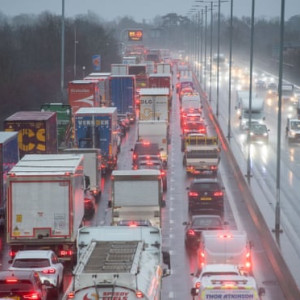

Government signals tougher motoring rules to reduce casualties on Britain's roads
Eye-tests for older drivers, compulsory braking technology in new cars and a crackdown on drink-driving among new proposals
Tougher rules on drink-driving, eye tests for older motorists and automatic emergency braking in new cars will be mandated by the government in an attempt to significantly reduce casualties on Britain's roads.
The first road safety strategy in more than a decade aims to save thousands of lives with a range of measures, from training and technology to stiffer penalties for offenders.
The proposals, to be announced on Wednesday, seek to reduce fatalities and serious injuries on Britain's roads by 65% by 2035.
The number of deaths has declined since the 1970s but that improvement slowed around 2010, with 22 European countries making better progress than the UK since then, according to the Department for Transport.
The government will consult on lowering the drink-drive limit in England and Wales, which has remained unchanged since 1967 and is the highest in Europe, at 35 micrograms of alcohol per 100ml of breath.
It could be cut to 22 micrograms, in line with the limit in Scotland since 2014.
Tory transport culture wars risked making roads less safe, says minister