Are there other types of electric vehicles besides those that plug into a wall charger?
Electric vehicles (EVs) with on-board generators - or combustion engines - are not common, but they exist. Technically, they should not be considered hybrid cars where the engine and electric motor are mechanically connected to drive the wheels.
Electric powertrains such as the Nissan Serena e-Power and BMW i3 with range-extender use an on-board internal combustion engine running on petrol for the sole purpose of driving a generator. The combustion engine cannot directly drive the car.
Instead, electricity produced by the engine-driven generator is stored in the batteries.
The stored electricity in turn powers the electric motor that drives the wheels, just like any electric vehicle.
Nissan's e-Power system cannot be plugged into an EV charger, so petrol is essential to get electricity charge into the battery.
The BMW i3, on the other hand, calls on the motorcycle engine under the boot to generate electricity only when the battery is running low on charge. The idea is to enable the car to be driven for around 120km or more to reach an EV charger.
Elsewhere, Mazda uses a concept that is similar to the BMW's in a version of its MX-30 electric sport utility vehicle. Interestingly, the engine generator in the Mazda is a compact rotary engine.
EVs with range-extenders typically have different characteristics from the usual petrol-hybrids.
For one thing, they usually drive more like electric cars, with plenty of instantaneous torque. With the likes of the BMW i3 and Mazda MX-30, the battery has more than enough charge for such cars to complete entire journeys without needing the on-board generators to kick in.
Fuel-cell electric cars use a different technology in producing electricity. There is no engine-driven generator to fill up the batteries.
Instead, such vehicles rely only on chemical reactions within the cells to produce electrical energy to power the motor.
There is no plugging into an EV charger or filling up with petrol. The tanks in the fuel-cell cars are meant for hydrogen and filling up usually takes no longer than putting petrol into a conventional car.
The science involves combining hydrogen with oxygen from the air to form water and electrical energy. Within the fuel cell is a polymer membrane to handle the water that is produced in the process.
This is somewhat more complicated than electrolysis, which involves passing electricity through water to produce hydrogen and oxygen.
Enough electricity can be produced by a fuel-cell pack within a vehicle to directly drive the motor without having to channel via batteries.
Currently, there are no fuel-cell electric passenger vehicles on sale in Singapore. There are also no publicly available hydrogen filling stations here.
Globally, Hyundai and Toyota are actively developing fuel-cell technology. Both brands offer such cars in some parts of the world.
However, not only are such models more expensive to buy than conventional electric cars, but the lack of an established hydrogen filling network is also a major hurdle for fuel-cell electric cars to gain acceptance among consumers.
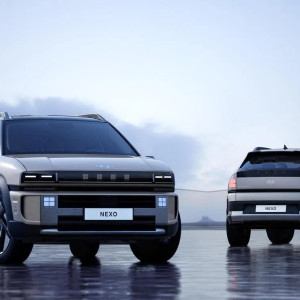
Korean carmaker Hyundai is among the few carmakers who are actively developing hydrogen fuel-cell technology.
PHOTO: HYUNDAI
Torque Shop Cars Electric and hybrid vehicles